
Taiwan Academic Classics (TAC)
From 1928 to present, the inter-databases research platform which accommodates exclusive content and the most extensive papers done by Taiwanese scholars.
Introduction
Taiwan Academic Classics (TAC) is built upon the research achievements of Taiwan’s academic community and brings together key journals from 15 Asian countries and 5 countries in Europe and North America, along with classic scholarly works from the Chinese-speaking world, fostering scholarly exchange with global researchers in Asian studies through multilingual content and cross-cultural perspectives. Featuring exclusive journals and archival resources from leading institutions such as the National Palace Museum and Academia Sinica, TAC integrates AI-powered technologies with cultural scholarship—including AI-guided search, AI-driven multilingual translation and search, and AI-based image-to-image search—to inspire new connections across time and culture and to open new research horizons for scholars.
12 Databases, 475+ Journals, 370,000 Dissertations
Full-text searchable platform of 4.5 billion characters
Journals
Taiwan Journals Search
(1958 – present)
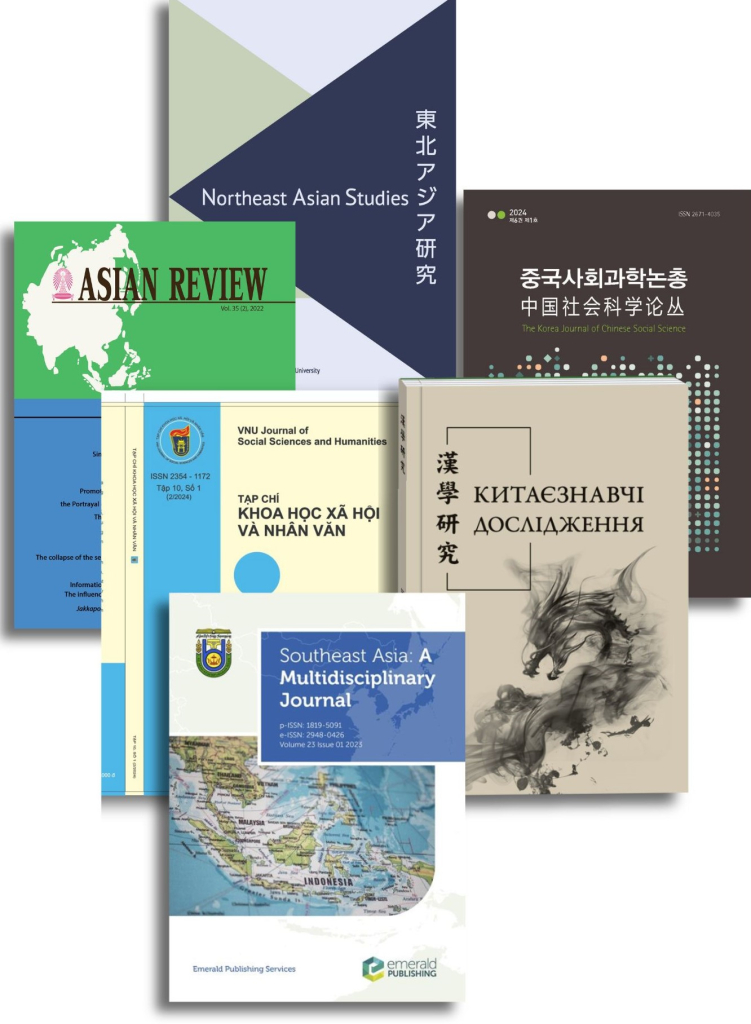
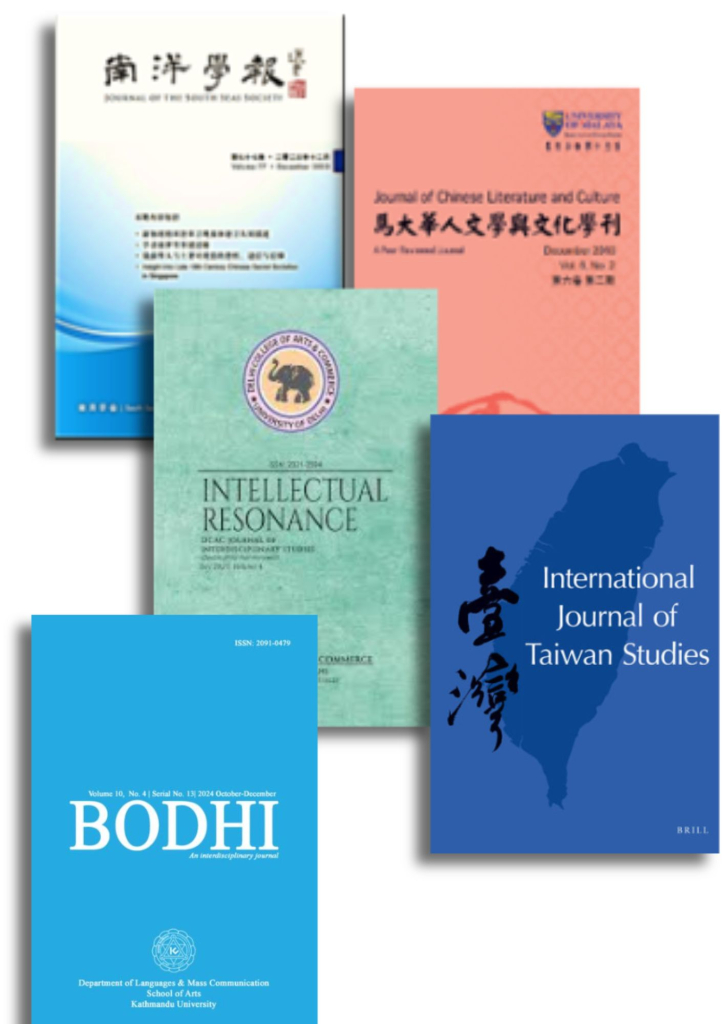
The database brings together 350 core Taiwanese journals and 45 Asian Studies titles from 15 Asian and 5 Western countries (about 400 in total), most of which are not systematically indexed by major commercial platforms. From rare resources in Brunei, Nepal, Bangladesh, and Pakistan, to Japanese and Korean perspectives on China and Taiwan, Southeast Asia’s gateways in Singapore and Thailand, Malaysian Chinese Studies, Vietnam’s flagship university journal, India’s postcolonial viewpoints, and Italy’s regional political frameworks—it unites Asia’s most diverse voices, bridging local depth with global breadth. The database also offers exclusive AI-powered multilingual search and translation (Chinese, English, Japanese, Korean, German, French), enabling precise cross-language access with a single query.
The Crown Jewels of Sinology in Taiwan (Ι)
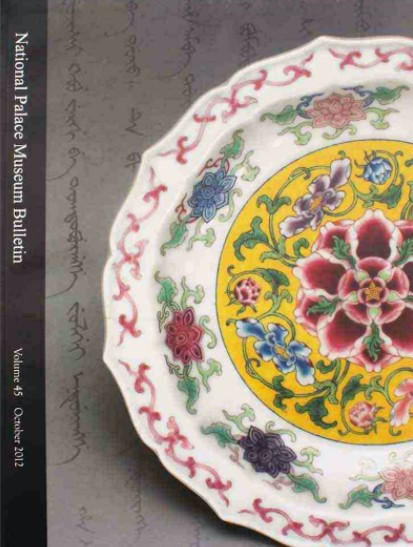
The database offers 80% more content than the National Palace Museum’s official site, with unique features like “AI Image Search”, “AI Colorization”, “Full-Text Search Capabilities”, exclusive “Artifact Glossaries”, “Extended Video Viewing”, and 7 distinct “Reading Modes”. The “Image-to-Image Search” fosters a blend of Eastern and Western perspectives, unlocking unexpected research avenues—vital for humanities and arts enthusiasts. Since 1966, we’ve archived content from four notable core journals, including over 9,840 articles, 100,000 images, and 42,000 artifact glossaries. Beyond being a trove of Chinese treasures, this collection is a world-class resource promoting the “aesthetic economy.” Research related to the “National Palace Museum” spans various disciplines, enriching both theoretical and practical understanding.
The Crown Jewels of Sinology in Taiwan (ΙI)
Celebrated as Taiwan’s “Crown Jewels of Sinology” alongside the journals of the National Palace Museum, Sinica Sinoweb stands as the only full-text searchable sinological database from Taiwan. It encompasses core journals from Academia Sinica as well as other renowned Taiwanese journals recognized globally. The collection boasts a comprehensive archive from the first issue to the most recent, with a particular emphasis on preserving early and rare editions. Notably, about 30% of its content is globally unique and exclusive for full-text searches. Esteemed sinologists internationally have lauded Sinica Sinoweb for its impeccable digitization, especially for rare and intricate characters found in publications like the Bulletin of the Institute of History and Philology and Chinese Studies of the National Central Library.

Taiwan Epochal Democracy Magazines
(1949-present)
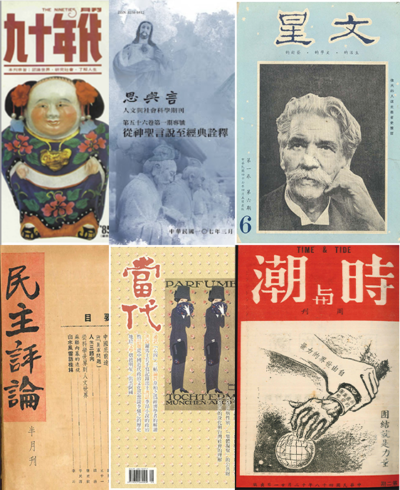
In recent years, Taiwan has emerged as the pinnacle of democracy in Asia and stands as an unique beacon in the Chinese-speaking realm. Over 400 years, Taiwan has evolved from foreign occupation and authoritarian rule to today’s flourishing democracy. The database provides an exclusive look into Taiwan’s democratic journey since 1949. It curates seminal democracy magazines from public forums in Taiwan and Hong Kong between 1949 to 1992, digitizing the influential footprints of opposition movements fading from library archives. These selected works:
- Feature prominent opposition voices from Taiwan, Hong Kong, and China during the authoritarian era, challenging the ruling party and pioneering once-taboo topics.
- Sparked notable societal shifts and enlightened their generations.
- Are penned by esteemed sinologists or celebrated social science writers introducing groundbreaking ideas.
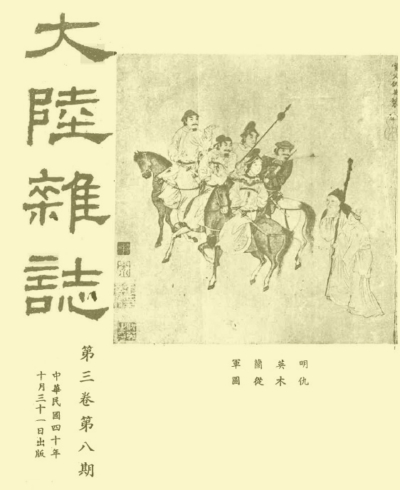
Initiated in 1950 by luminaries of Academia Sinica, including the likes of Zhu Jiahua and Dong Zuobin, ‘The Continent Magazine’ gracefully spanned over half a century, producing 867 noteworthy issues until its conclusion in 2002. It stands as a testament to the rich tapestry of thoughts woven by eminent sinologists of the era. Rooted in China but flourishing in Taiwan, the journal encapsulated global Sinology contributions, post-1950. While it held a particular reverence for history, its pages also elegantly danced with topics ranging from literature and philosophy to law, politics, and the sciences. Its foundational ethos, eloquently stated in its inaugural editorial, sought to bridge the cultural chasm that arose in the wake of the Communist ascension in mainland China.
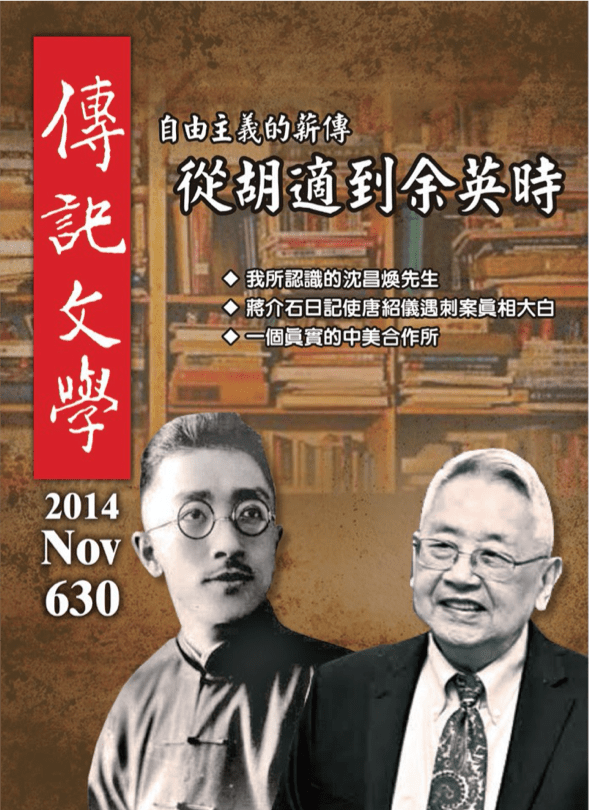
Zhuanji Wenxue Digital Archive
(1962 – present)
Over the past 58 years, Zhuanji Wenxue Magazine (傳記文學, 1962 – present) has become worldwide renowned. Because of its long-lasting publication, people often praise its historical value as the “The Great Wall of Chinese Republican History.” Zhuanji Wenxue is regarded as equal important to other influential academic institutions in Taiwan, which helps to fill the gap of official history. It comprises autobiography, criticalbiography, memoir, exclusive historical data, diary entries, handwriting samples, oral history, and more. Readers will be impressed by this extensive record and its ability to bring history to life.
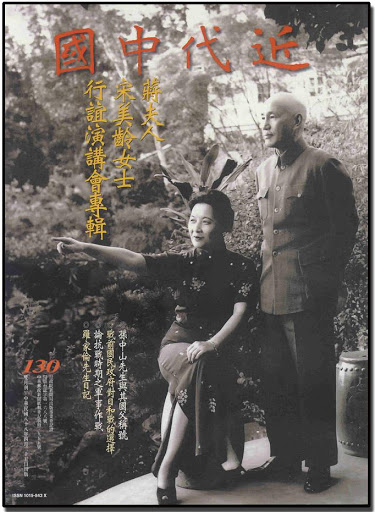
Modern China Database
(1977 – 2005)
Founded by the Chinese Kuomintang (KMT), Modern China Magazine (which ran from March 1977 until December 2005) is well-known for its coverage of Chinese Republican history, archives of Revolutionary Martyrs and Revolutionary documents of China. Compared to other academic journals of its kind which mainly focus on discourse and comment, Modern China unveiled the first-hand raw materials of the authorities at Kuomintang, revealing the “oral history” in the Republican period with exclusive archives.
Arts
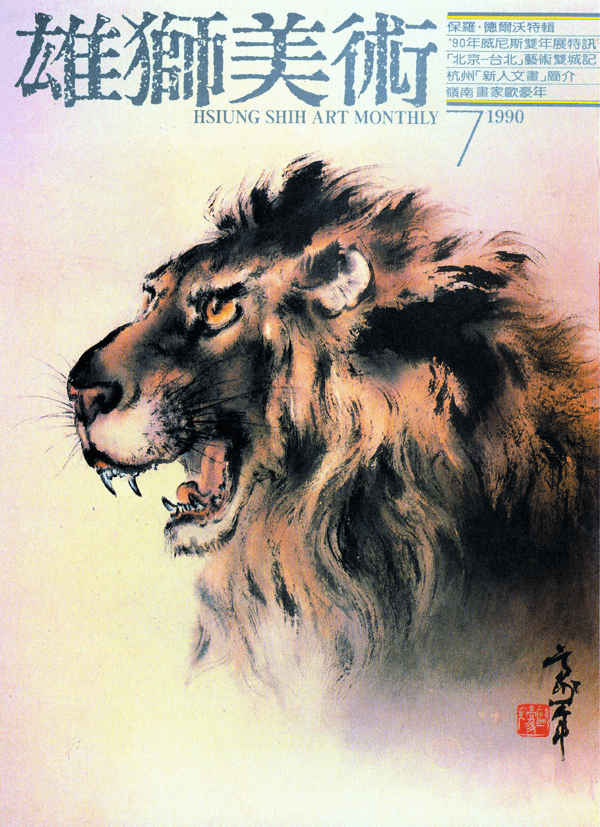
LionArt Digital Archive
(1971 – 1996)
With the innovative “AI Image Search/Colorization” feature, the “Lionart Digital Archive” revitalizes Taiwan’s art history. Imagine selecting a few from 60,000 originally blurry black and white photos, becoming more layered and distinct after coloring, especially the more enhanced portraits.
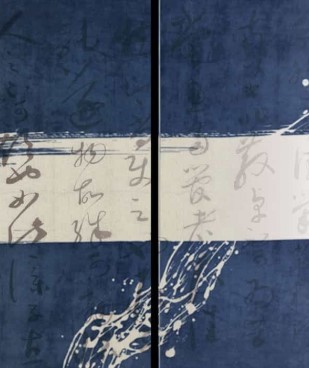
This database houses 4,268 noteworthy classical calligraphy and inscriptions, amounting to 1.7 million characters in diverse styles. It seamlessly blends individual character images with complete works, all enhanced with a full-text search capability. A standout feature is its robust search efficiency for ancient characters, making it invaluable for philology research, education, appreciation, and daily practice. The collection is split into two sub-databases. “Full Work Database”: Here, users can swiftly explore works from various calligraphers and dynasties, contrasting styles and immersing themselves in the allure of Chinese characters. “Single Character Database”: Each character retains its authentic aesthetic and emotion, allowing users to integrate them into personal projects like business cards, signage, and ad designs, thus weaving Chinese artistry into everyday life.
Ancient Books and Records
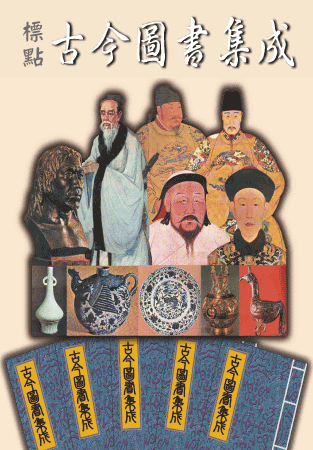
Gujin Tushu Jicheng (標點古今圖書集成) is the greatest encyclopedia of Chinese civilisation, and one of the most significant two classified books of ancient China as well. (The other one is Xiku Quanshu. Both of them are regarded as the two pearls of Chinese category books.) The database published by UDP is not only the first punctuated version of its kind, but also one of the most popular digital version worldwide.
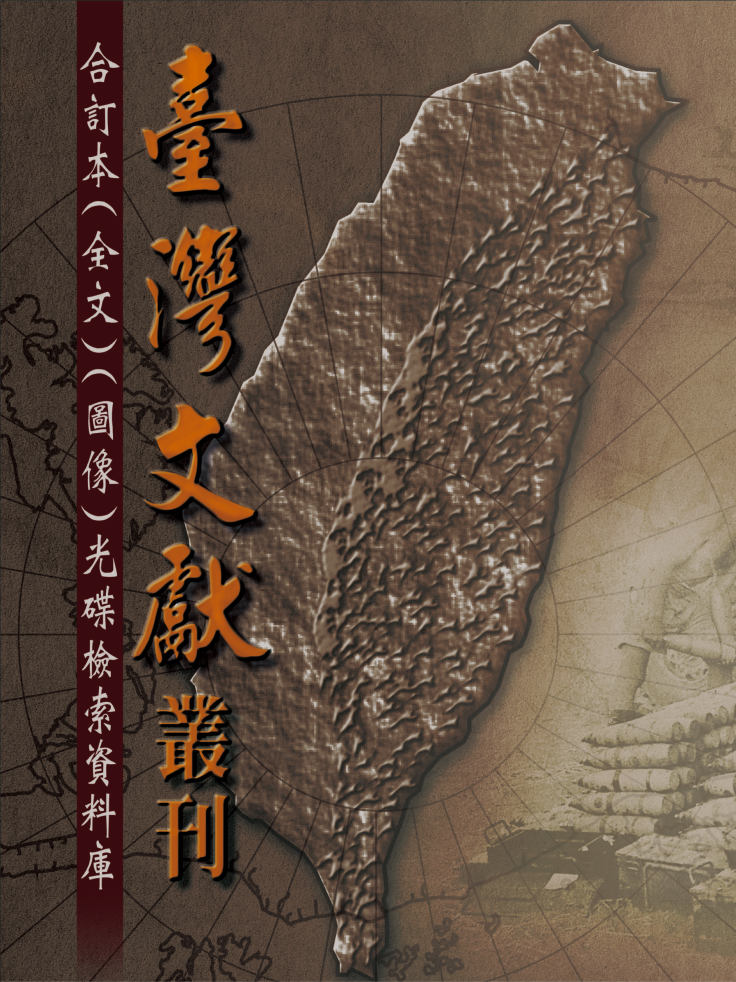
One of the most frequently used literatures by scholars of Taiwan studies and commonly called the “Encyclopedia of Taiwan,” the Taiwan Wenxian Congkan (edited by Chou Hsien-Wen) was originally published by the Bank of Taiwan. It comprises 309 books, local histories and official documents from Ming to Qing dynasties. It collects poems, literatures of private collections, and out-of-print books. Taiwan Wenxian Congkan covers topics from the Tang dynasty to the Japanese occupation period.
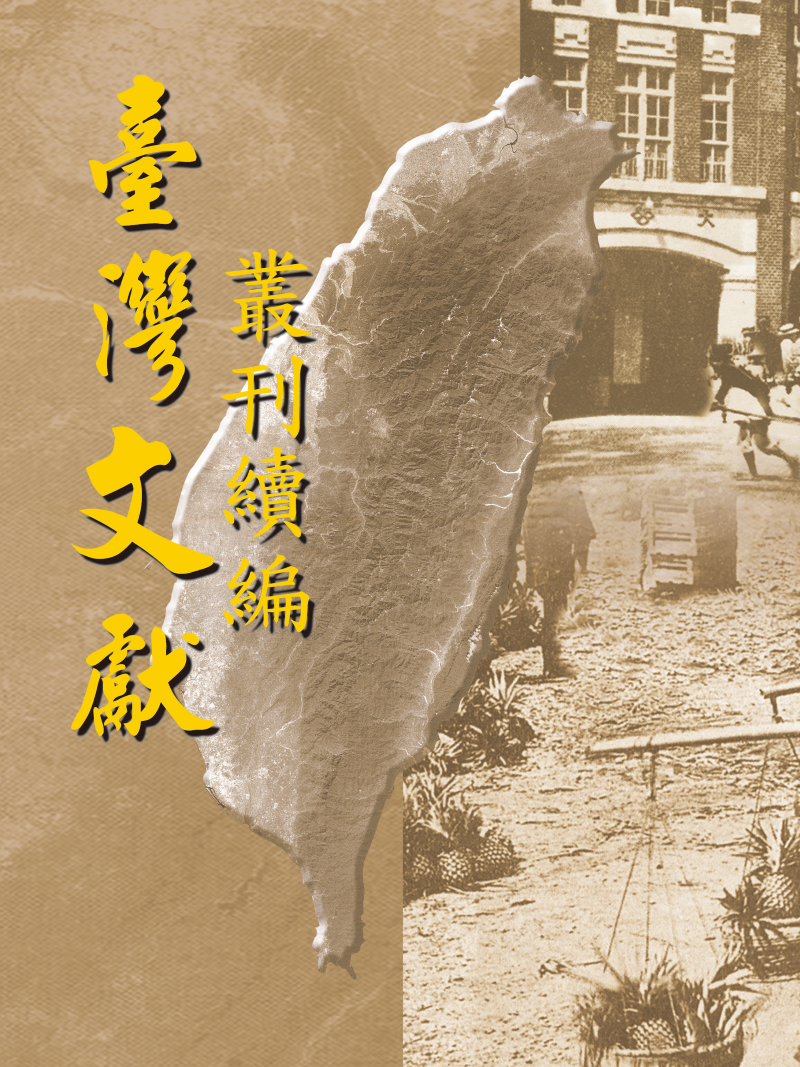
The Taiwan Wenxian Congkan Continuation database updates one of the most important resources in Taiwan studies. The coverage of Taiwan Wenxian Congkan was limited to the 1958-1972 period, and subsequently new historical records were discovered. Therefore, UDP decided to produce the ‘Continuation’ version for Taiwan Wenxian Congkan database, which includes additional books, archives and literatures. One half of these new-discovered material consists of books, extant copies of manuscripts from distinguished universities in China. The other half of the material is originated from the research institutions and publishers in Taiwan.
Information



Features
● From 1928 to the present, 330+ core journals of humanities and social sciences in Taiwan (1/3 are top-ranked THCI or TSSCI)
● Exclusive content from classical magazines, archives, historical documents
● Exclusive full-text searchable database of sinology, including rare pictograms from ancient China which are well-documented on “Bulletin of the Institute of History and Philology”
● Unique metadata analysis helps scholars explore historical trends and new research issues